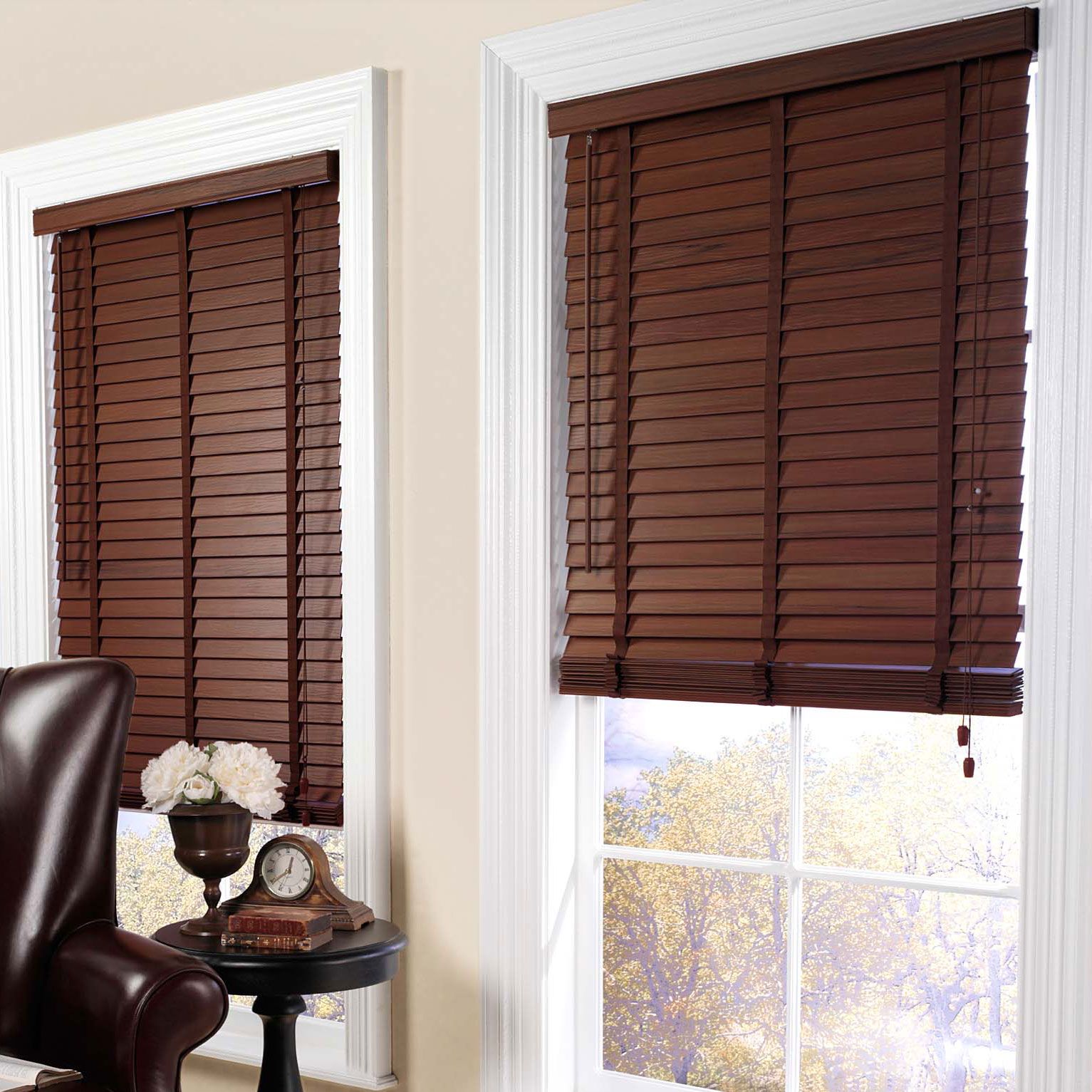
Choosing Blinds in Australia: Key Things to Know
Wiki Article
The Test Of Success: Why The Perfect Blinds Need A Professional's Help
In the case of Australian home improvements, buying new blinds can be an visual experience. Fabric swatches capture your attention regardless of whether they're the sharp lines of the Roman shade or the soft folds that are found in the roller blind. The process of choosing blinds is centered on style and colour. In the showroom, however you don't get to see the most important factor that will determine whether your new blinds become a useful asset over time or a frustrating burden. The precision of the measurement and the skill of the installation are what make the difference. Professionally measuring and installing windows is vital for Australian houses with peculiar and uneven windows. It is the only method to ensure functionality, beauty and long-lasting.
It's understandable. The need to cut costs and the belief that tape measures don't lie are driving forces. Reality tells us that the windows' apertures don't match up with what we think. Very rarely are windows square, perfectly plumb or perfectly consistent. Each architectural flaw is unique and varies from the beautiful weatherboard home to the sleek concrete flat or the brick-veneer suburban home. The top and bottom of the window frame may be off by a few millimetres. The width of one side of the reveal could be more than the opposite. Architraves could be slightly bent in the middle. These are not faults. They are the characteristic of a built-in structure settling down and enduring our weather. Professional installers do not just measure the height and width of the window; they also determine its condition. They measure the length and width of the window and also the depth. They search for irregularities, such as windows that have locks, protruding tiles or any obstructions. This diagnostic process is what transforms the raw data into an blueprint that ensures a flawless final product.
This knowledge is directly translated into two fundamental options for fitting that are: inside mount or outside mounting.
The blind is able to be installed inside, neatly in the window recess. This creates a an unison, seamless look. It is also the most demanding. In order to work correctly it is essential that the recess has sufficiently deep and square. The professional will take measurements from the top of the recess, as well as at the bottom and middle. Then he'll apply the smaller measurement to ensure that blinds do not become tangled. They measure the height at the left, centre, and right, using the longest measurement to ensure that the blind is fully covered. They subtract tolerances for manufacturing (often only a few millimetres) to ensure that the blind will operate without a hitch. Get this math wrong by even 5mm and a blind may be difficult to put up or scrape and become jammed with each use.
A blind that is mounted outside, on the wall, architrave or window frame, can be more accommodating to sloppily carved recesses. This is a great method to maximize light blocking and make windows appear bigger. In this case, the skill of the professional lies in proportion and placement. They determine how far they should extend the headrails for the blinds to extend beyond the window's frame to eliminate light gaps, and how high it should be lowered to create an aesthetic balance. This ensures that the installation appears be a deliberate and architecturally-integrated, rather than a last-minute addition.
Complexity is increased when you use non-standard Windows. Australian designers are gaining popularity for corner windows as well as trapezoid-shaped designs. These aren't tasks which can be accomplished with the standard 3 meter tape measure. Triangulation, angle-finders and a thorough understanding of how blinds' mechanisms will take a different route are essential. These shapes are difficult to create However, a skilled designer can convert them into a feasible specification by using templates and tools. When measuring a bay window, the professional is not just taking measurements of the windows. They will determine the precise angle of intersection so that each blind will be able to fit in its bay precisely without any gaps.
Then comes the installation, which is the moment of reality. Professionals arrive with vans, not vehicles. They use high-quality drills as well as wall anchors that can be used for various substrates like concrete, plasterboard, brick or even. In their toolkit are laser levels, spirit levels and impact drivers. They are aware of the distinction between drilling into the mortar and hitting the brick. They understand how to find the studs in a plasterboard wall or to use a heavy-duty toggle bolt for the most secure fixation of hollow walls. It is important for safety when working with massive, heavy blinds as well as motorized units. Blinds that have been poorly fitted and just glued into plaster and have inadequate plugs are a disaster in the making. They also handle the final adjustments--trimming cords to safe lengths, installing mandatory child-safety devices, and calibrating the tension on spring-assisted rollers--so the blind operates with a satisfying, reliable action from day one.
Professional services are a kind of insurance. It ensures that your blinds work correctly, and protect your warranty from being voided (since most warranties are invalid by DIY installation) Additionally, it will saving you the cost of having a blind constructed to be incorrectly fitted. You'll also be able to save time and preserve your mental peace. Alternatives--the DIY error in measurement--leaves a blind that can't be installed, frustrating returns, and delays that can last for weeks, which all while saving a tiny portion of the cost upfront.
A reputable Australian Blinds Service should instill confidence. They must insist on a site visit to any window that isn't standard, or a full-house quote. The expert should take the time to examine the windows rather than browsing through catalogues of sample windows. The consultant should clearly provide the rationale of their findings and the fit suggestions. This kind of professionalism is the standard of a business that stands behind its product.
The final result is that perfect blinds are a combination of beautiful design and invisible technology. The measurement is the exact blueprint, and the installation is the expertly constructed. In a market flooded by choices available on the market the true worth lies in the technical know-how. The specialist service doesn't offer blinds, they design solutions to match the style of your Australian home. They guarantee that what you saw in the showroom will last for many years. An ideal fit, a smooth operating system, and a finished appearance that makes it appear as if it were always there. The mark of a job well done is when you can be proud of that. Take a look at the most popular blinds for blog recommendations including diy blinds australia, blinds to fit, blinds australia online, direct window shades, high quality blinds, quality direct, the window shade, window shade store, blinds over blinds, need blinds and more.
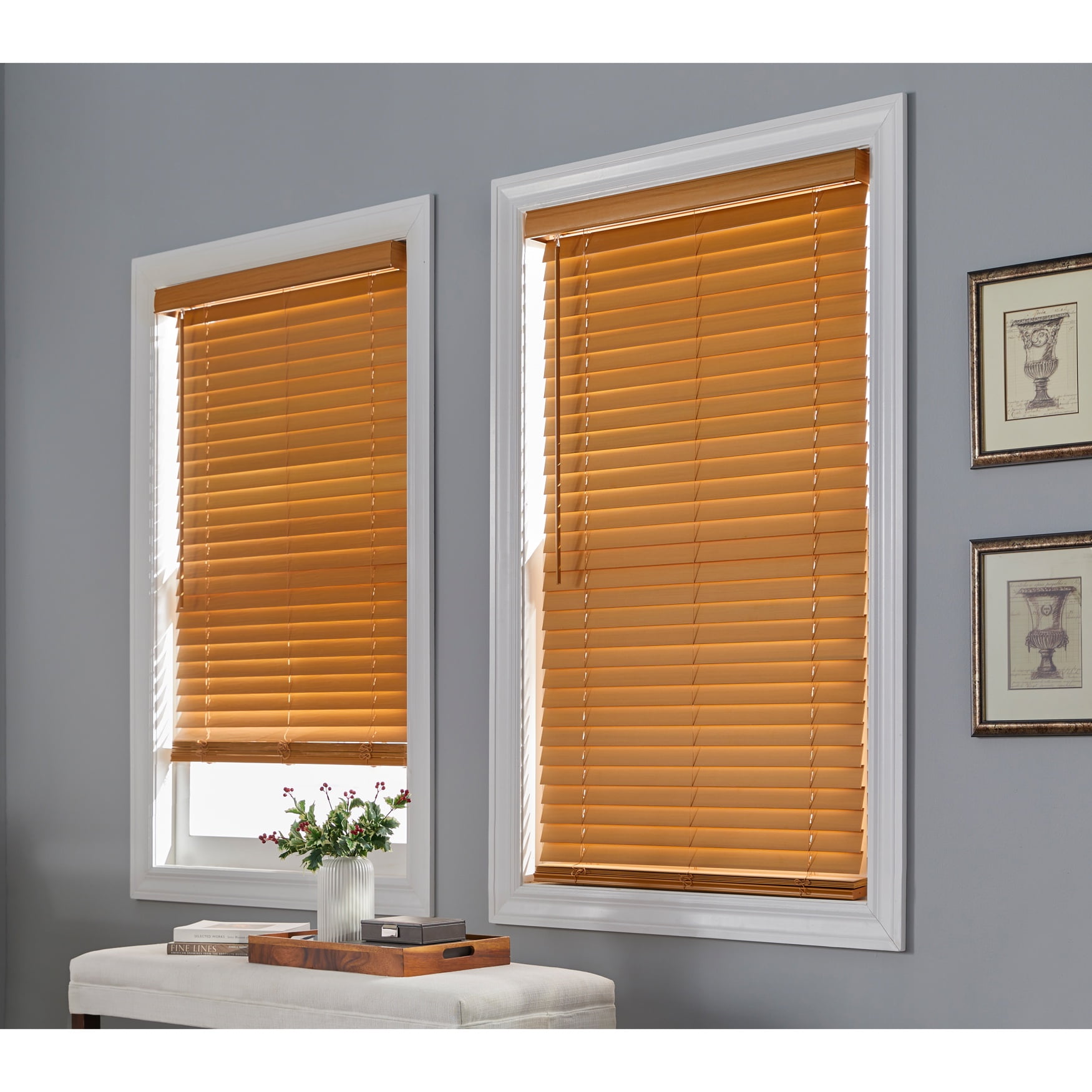
The Invisible Shield : Why Australian Standards Are Your Buying Guide
Blinds are a crucial aspect of the visual appeal of your Australian home. The laws, engineering safety, and other threads are likely not visible in the choice you make. This secret framework is the collection of Australian Standards, both voluntary and mandatory rules that regulate everything from the tensile force of a cord to fire resistance of a material. To the consumer, compliance isn't a technicality but rather your basic assurance that the product in your home has been designed and tested to survive and safeguard within the unique needs of our environmental and our society. It's the sole distinction between a product merely available and one that is truly suitable.
The Australian Competition and Consumer Commission enforces the standard which is required for corded window covers. This isn't just an advisory; it's an act of law. It was born out of tragic events and its goal is simple: to eliminate the chance that children may be choked. It is mandatory that every new window blind made of cords be equipped with certain safety devices. These include tensioners that are permanently fixed to the wall to ensure that the cords stay taut and shortened, and breakaway devices that can separate with pressure. Crucially, the standard details how a product must be installed to be compliant--instructions that must be provided with the product. The sellers who offer blinds with cords but do not have these features or even suggest that you install it yourself in the future, aren't selling a product that is standard-compliant. The best option for consumers is to choose cordless or powered blinds since these satisfy the standard's goal.
In addition to this safety requirement, there are many Australian and New Zealand Standards that influence the performance and quality of products. They're not mandatory however, well-known manufacturers employ them to make sure that their products conform to a high standard. AS/NZS-60335.2.97 the safety standards for household use standards for blinds is a key one. This standard sets out requirements for durability as well as safety and operation. It provides tests to determine the force required for a control to be operated, and ensures that it's not too tight it strains the components or is so loose it operates unpredictably. The standard tests the durability of tapes, ladders as well as venetian and vertical blinds. It checks that they can stand up to repeated use without degrading. The product has gone through many years of simulation in a laboratory, and is therefore a proxy for its resilience at home.
AS/NZS 1530.3, for example, is a standard for the resistance to fire of buildings. It is not mandatory for residential properties, however it may be required in multi-residential environments like hotels apartments, hotels and aged care facilities, where the Building Code of Australia mandates specific fire-related hazards. Blinds for these kinds of buildings may need to be constructed from fabrics that are non-combustible, or have passed strict smoke and flame propagation tests. A product with a fire safety certification indicates a better-grade material which is usually more resistant to heat, has a less tendency for rapid spread of flames, and also provides an added layer of safety.
In Australia, the material performance standards are also vital. Standards for testing UV degradation, colorfastness, and the performance of the material in our hot Australian sun are readily available. A fabric claiming compliance with relevant UV standards has been shown to resist physical and fading degradation for a specific time under simulated Australian conditions. For outdoor blinds, or those in sunrooms, check for AS/NZS4388-related references that covers outdoor fabric performance. For aluminum-based components, especially in coastal areas, guidelines regarding anodising and powder coating ensure finishes resist corrosion from salt spray. The aim of conformity is not to shield against injury, but from premature failure. The product will look and performs as it was intended to, even after years of use.
What can you as the buyer verify this invisible compliance. It's a matter of going from inactive acceptance to an active inquiry. You can directly ask the seller: "Can this product, and the installation be 100% compliant with ACCC's required standard for blinds with cords?" "Does the fabric/component conform to the Australian Standard relevant for UV stability, fire resistance or coastal longevity?" A reputable supplier will not be offended by these queries. They'll be happy to answer them because they are a sign that the buyer is informed. They should be able to provide documentation or statements from the manufacturer confirming conformity. Be cautious about products that do not mention Australian Standards, especially those purchased online. They are made to serve a global market, not for the particular environmental and regulatory pressures of Australia.
Due diligence goes far beyond your front entryway. Products that are not compliant could pose dangerous to your safety, and voiding your insurance coverage if you are the cause of an incident (like an incident involving a fire in your home) or they not be able to function properly, resulting in no recourse locally for warranty claims. If you choose a compliant, local product installed and provided by a reputable firm, you reduce your risk. Your purchase should contribute to the safety and security as well as the security of your home.
In the end, Australian Standards are a collective agreement on quality and safety. They are the product of a joint effort between industry experts as well as safety advocates and engineers to define "fit for purpose". By choosing a product that is compliant, you aren't simply buying blind. You can rest assured that each component is carefully thought through and tested in order to eliminate any known hazards. In a market overflowing with options, the Australian Standards are the best way to differentiate between products that are ready for the market and those that can be used at home. It's the invisible shield that allows you to relax and enjoy the view worry-free.