20 Pro Suggestions For Picking DVL TOTO Website
Wiki Article
A Beginner's Guide To Online Slots: How They Function At DVL TOTO
An Introduction on Online Slots and How They Work on DVL TOTO Entering into the world of online slot machines for the first time may seem like stepping onto the thrilling, high-energy casino floor. The bright lights, intriguing themes, and potential for a massive win are everything that makes online slots appealing. For newcomers to platforms like DVL TOTO the huge variety of games on offer could be exciting and somewhat intimidating. But, underneath the vibrant surface, every slot online follows the same fundamental principles. Learning these principles is most important factor not only to guarantee winnings--as slots are games that involve chance, but to being more intelligent, limiting your expectations, and getting the most entertainment value out of your experience. This guide will break down the ten basic things that all players should know about the way online slots function.
1. That's The Heart of the Game: Random Number Generators (RNGs)
At the core of every legitimate online slot, like ones found on websites such as DVL TOTO in the form of DVLTOTO , is an element of software known as a Random Number Generator (RNG). Consider it a computer chip that constantly produces numbers, even if the game isn't being played and at the rate of hundreds of numbers per second. The moment you hit the'spin' option, the RNG stops on the specific sequence of numbers. They are turned into the winning symbols you find on the reels. This process is completely random and independent from the spin before. It means that the outcome is entirely a matter of chance, and there's no notion of a machine being "due" for winning. The most trusted sites guarantee that their RNGs are tested regularly by independent agencies to ensure an honest outcome, a method one should seek out when choosing a casino.
2. Reels, Rows and Paylines: How to Play? Anatomy of a Slot
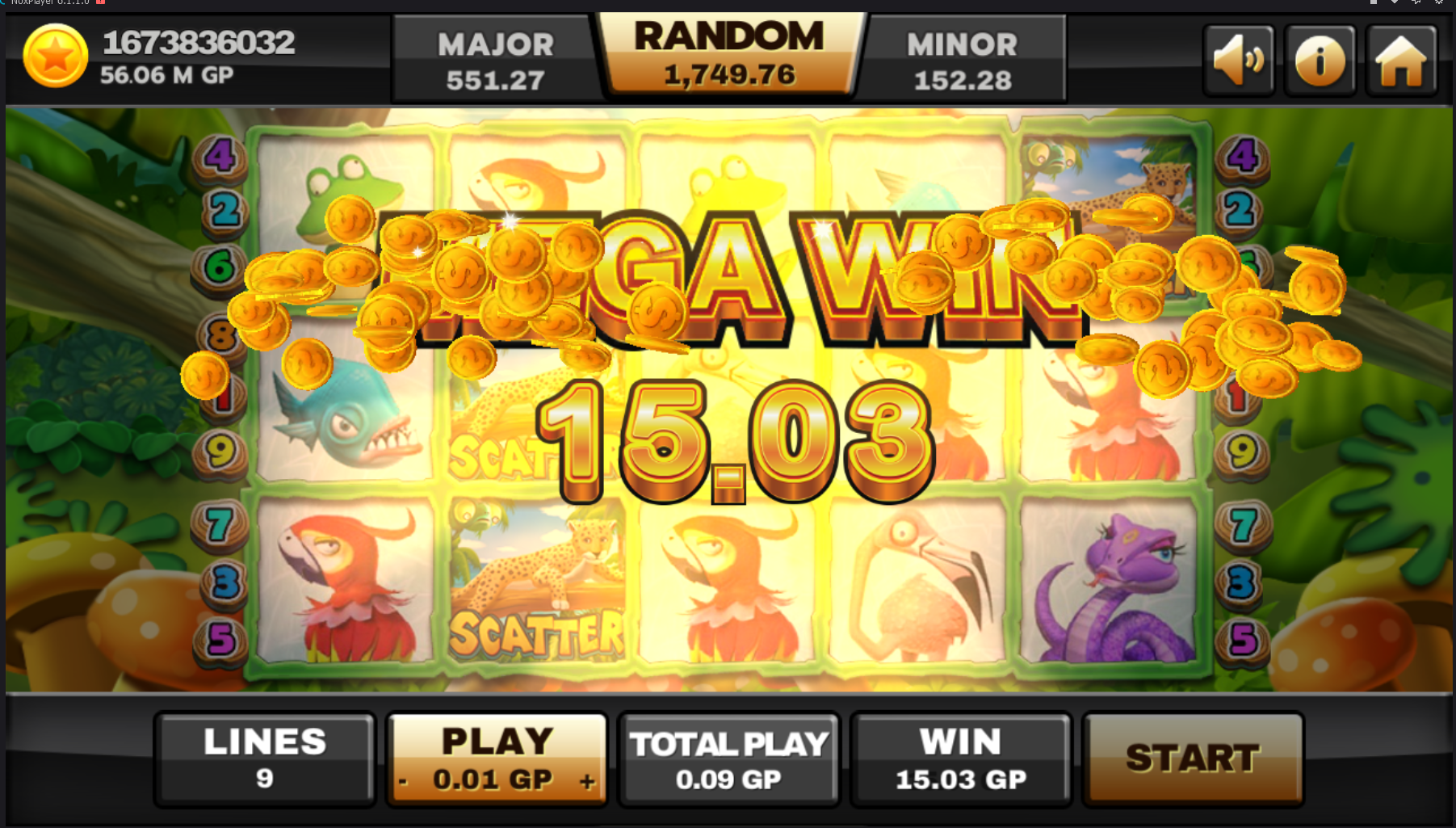
Before you begin spinning it, you must understand the basic structure. The vertical sections that spin are called reels (classic slots usually have 3 while modern video slots generally have 5 or even more). The horizontal layers of each reel are called rows. The winning combinations are formed on paylines. They are specific patterns that are running across the reels. Classic slots may include a single payline across its middle however modern games have hundreds or even thousand of "ways at winning." In these "Megaways" (or similar mechanisms) are paid for matching symbols on adjacent reels, regardless of their exact place. If you're looking at a game on DVLTOTO it is usually possible to go through the game's rules or paytable in order to find out exactly how its paylines work.
3. Symbols in addition to Specials: The Language of the Game
Each slot game tells stories through its symbols. The majority of slots have low-paying icons (often it's a card rank like 10, J, Q, K A, J) and high-paying symbols (themed icons that correspond to the game's title, like treasures, ancient artifacts or even characters). But the most excitement is in the unique symbols. Wild symbols can be thought of as playing a joker inside a deck of playing cards, substituting for the majority of other symbols to create an effective line. Scatter symbols play a key role to bonus features. If you get a certain number of scatters on the reels will usually result in free spins or bonus rounds and that's where the largest winning potential is usually.
4. The Payout Language: RTP and Volatility
Both of them are most important to know about the financial behaviour of a slot.
RTP (Return to Player) : This is a hypothetical percentage that indicates how much a slot machine will pay back its players after a very long period. For example, a slot with a 96 percent RTP will, in theory, return $96 for every $100 wagered across millions of spins. There is no guarantee for just one session. A game with a high RTP (like 97 percent or more) generally has a better chance of success for players in the long term.
The Volatility (or Variance) The Volatility (or Variance) measure is the risk factor involved. Slots that pay low volatility give out smaller winnings more frequently, offering a steady stream of entertainment. High volatility slots pay out less frequently but when they do win, the prizes can be a lot bigger. Your choice between games on DVL TOTO will be based on the type of game you prefer and your cash-flow.
5. Bet Sizes and Coin Denominations: Managing Your Money
Slot machines are very flexible in terms of how much you bet per spin. You'll usually be able to adjust on the denomination of your coin as well as the number of coins you place on each payline. It's vital to remember that the total amount you bet for each game is the primary factor that affects your copyright. Bets that are the highest on all paylines may be necessary in order to qualify for the biggest jackpots, but it also depletes your money much more quickly. A great strategy for a beginner is to create a budget for your time and select a bet size which allows you to wager for the duration you wish to instead of seeking an unlucky win.
6. Bonus Features Include Free Spins, Multipliers and More
This is where modern slot machines really shine. Bonus features are special mini-games or games that are triggered by specific symbols. Most commonly, they are Free Spins, where you get a predetermined number of spins and do not take any money from your balance. During these spins you might also encounter multipliers that can boost your winnings by 2x, 3x, or even more. Other features also include "pick-me" extra games in which you can choose items to award cash prizes as well as expanding wilds that cover all reels. These bonuses are the biggest attraction and the primary factor in a game's excitement as well as the possibility of huge jackpots.
7. Progressive vs. Fixed Jackpots
Some slots offer jackpots, that can be huge top prizes. It's crucial to know the differences. Fixed jackpots come with the same maximum payout amount for a specific game. Progressive jackpots, commonly present on websites with lots of traffic, is a winnings pool that grows every time a person engages in the game through different casinos. A small portion of every bet is credited onto the total jackpot which allows it to grow to the size of life-changing sums. If you want to be eligible for a progressive jackpot the majority of players must place the highest amount bet, which is an important aspect that should be considered prior to playing.
8. Autoplay and Fast Play: Features you should use Carefully
The majority online slots, which includes ones on platforms such as DVLTOTO come with convenience features. Autoplay allows you to enable the game to play automatically for a selected amount of time. Although it is convenient, it could create faster losses, if you're not paying pay attention. Fast Play or turbo mode increases the speed of spinning so that you can get the final result faster. These features can help reduce the emotional connection to each cycle, which can prove to be either a positive aspect (detaching from losses) or a disadvantage (spending money in a hurry without even realizing).
9. The Importance of Game Providers
The business that produces the slot game, also known as the producer, is an exemplar of quality and confidence. Good providers such as Pragmatic Play, Habanero, or Microgaming are known as having high-quality graphics reliable algorithms, and exciting features. If you can find a game with a well-known brand on a website like DVLTOTO is a good signal that the product is reliable and functions according to the plan. These providers have reputations to defend, providing a better overall experience for players.
10. Demo Mode: Your Best Learning Tool
Perhaps the most useful tip for any novice is to make use of"demos" and the "play to have enjoyment" option. A majority of the reputable online casino as well as slot websites have this option. It allows you to engage in any slot-related game with virtual credits and not real cash. It's a risk-free means to study a game's rules, test its volatility, check out the frequency at which bonuses are activated for you, and judge if truly enjoy the theme and game before spending a single real rupiah. This is the most intelligent first step you can take on your quest to play online slots. Read the best https://majudvltoto.com/ for blog examples including permainan slots, poker casino online, slot terbaik di dunia, slot 17, web judi, web slot gacor, game judi, slot terbaik di dunia, game judi, bandar online terpercaya and more.

Common Poker Mistakes New Players Make With DVL TOTO
There's one harsh truth that every poker player confronts. There's a virtual table with a software such as DVLTOTO, you've had a look at a few of the videos on the platform, you're familiar with the hand rankings and are eager to take on the felt. But then, in a way you lose your chips. Again and again. The truth is that poker is a game of mistakes--specifically, making fewer of them than your opponents. Even the top players do make mistakes but they've discovered how to eliminate the most costly ones from their game. For the novice, the gap between the perception of knowledge and actual abilities is often filled with predictable, avoidable mistakes that drain bank balances and undermine confidence. Being aware of these common errors can be the initial step in getting rid of your flaws and laying a foundation for real improvement. Here are ten essential things to know about the most frequent mistakes that new players make.
1. playing too many games
This is the common beginner's error which differentiates profit-oriented players from people who always wonder where their money went [citation: 1The answer is. While you're learning you're looking at every hand as potentially thrilling. That 7-5 offsuit? It could hit a straight. This Q-3 would be a good match? It's hard to say. However, the math isn't forgiving. In fact, playing more than 20-25% on your hands prior to a flop most likely to be a blunder at most tables [citation 11. Winning poker is about patience and skill. Be focused on playing solid starting hand from good angles, and develop the ability to fold the rest. The dread of folding is not as painful as the anxiety of losing to weak hands.
2. Dodging Position
The majority of new players make their decisions entirely on their cards, ignoring the place they're seated at the table. Your position in relation to the button used by the dealer is one your most important considerations in every decision you make [citation:2(2). The last option in a betting round can give you the benefit of observing what else is doing before you decide to commit chips. The majority of beginners play their poker hands from an early position which means they're compelled to act first, with little information. They don't play more hands at a later stage that allows them to take blinds and manage the action. If you're no longer adjusting the hand you choose to play based upon the position of your hands, you're wasting money.
3. Chasing Losses and Playing on Tilt
Poker is a game of swings. The best players also lose hands that they could have won. The main difference between professional players and amateurs is the way they approach losing. If beginners experience a poor heartbeat, something happens emotionally. They get into a mood known as "tilt"--frustration of anger, frustration and impulsiveness that leads to reckless decisions [citation: 6]. They are prone to chasing losses, playing more games, smacking in the air with garbage, trying for a win so that they can "get in line." This is almost never successful. The player who chases losses gets themselves into a bigger hole. Recognizing when you're tilted and having the courage to step away even for 15 hours, is vital for long-term viability [citation:99.
4. Poor Bankroll Management
A lot of beginners view their poker cash as a lump of cash. They'll play with whatever stakes are exciting regardless of whether their financial resources can handle the inevitable variance [citation:22. A standard rule that all experienced players adhere to is the 1-2% rule do not risk more that one-and-a-half percent of your fund in a single buy-in or game [citation: 88. If you've $100 in your poker account you've no reason to participate in tournaments that require buy-ins of $20. The math says you'll go broke before you reach your lucky streak. Begin with low stakes as you can and only move up when you've been consistently beating your current level [citation 5].
5. Believing in passive play and avoiding Aggression
New players often fall into a passive mindset. They'll call when they're supposed to raise, and then check on when to bet and generally let others control what happens [citation 44. This is especially true of the blinds, in which players often slack off to "see an uninspiring flop" with weak hands [citation: 4]. The problem with passive playing is that you never put pressure on the opponents, and rarely increases the value of your powerful hands. Good poker requires aggression. If you've got a hand that's probably the best, place a bet on your money and raise it. If you're in the lead then don't just check it out, consider leading out. It forces errors from your opponents, and also creates bigger Pots when the pot is bigger.
6. Bluffing and calling too often Too Little
This mistake flows naturally from passiveness. People who are beginners call too often, particularly on the river [citation:10]. They end up becoming "calling stations,"" charging opponents' stakes in value with hands that clearly can't win. There's a psychological component here--players do not want to be viewed as they've been fooled, so they make calls in order to "keep them honest." On the other hand, beginners rarely bluff enough [citation:1010. They're scared of getting caught or appearing naive. This leads to a predictable pattern: they only bet when they have great hands, and make sure to fold only when they'll lose. Professional players can quickly recognize and benefit from this pattern.
7. Doing a poor job of valuing weak hand and draw
Ace-king is gorgeous preflop, however, when the flop does not hit the mark completely, it's Ace-high [citation:1]. New players are enthralled by massive starting cards and refuse to let them go, even when the board is clearly risky. Similarly, new players overvalue drawing hands. They'll try to get flush draws and straight draws without knowing the pot odds. They'll make big wagers that have little possibility of winning [citation. If they do manage to hit their draw, often they fail to extract maximum value using fancy check-raises, which aren't successful [citation:1The citation: 1. Learning to fold a strong-looking hand in situations that require it is an indication of maturation.
8. Not paying attention to opponents
Most beginners play as though they're alone at the table, focused entirely on their own decisions and playing cards. But, it's a game of people, not just cards [citation: 22). Professional players always observe their counterparts: Who plays hard? Who plays loose? Who surrenders to pressure? Who calls down without a strong hand? Who rages after a loss? This information is valuable. On platforms such as IDN Poker, you have tools to note down players. Use them. The player who is oblivious to their opponents is playing a fundamentally different--and more profitable--game than the player who studies every person in the room.
9. Playing Too Many Tables or for Too Long
The online format draws players to make the most of their time. Four tables, six tables, more tables--the action never ends. But for a beginner this can be a nightmare [citation: 56. You're not able to master reading the opponents, know bet-sizing patterns, or spot tells when you're frantically clicking buttons to keep up with the six simultaneous games. Start with one or two tables per table. Pay attention. Notes. Be aware of each choice. Additionally, playing for hours without taking breaks causes fatigue, which leads to mistakes [citation:55. Your brain requires rest. Make sure you take regular breaks, step off from the computer screen, and then return refreshed.
10. Inability to learn and study from mistakes
The last mistake is a meta-mistake: failing to improve. There are many players who sit down for a game, lose, and go back to the table the following day to repeat the exact same mistakes [citation: 7]. Poker is a game that requires continual learning. People who win have the ability to analyze their game, recognize their problems, and take action to repair them [citation: 9The citation: 9. This could involve reading articles studying training videos, having a discussion with more experienced players, or simply taking the time following each session to consider key decisions. If you're not learning, you're in a bind, because somewhere out there it is possible that your rivals are studying to beat you.